

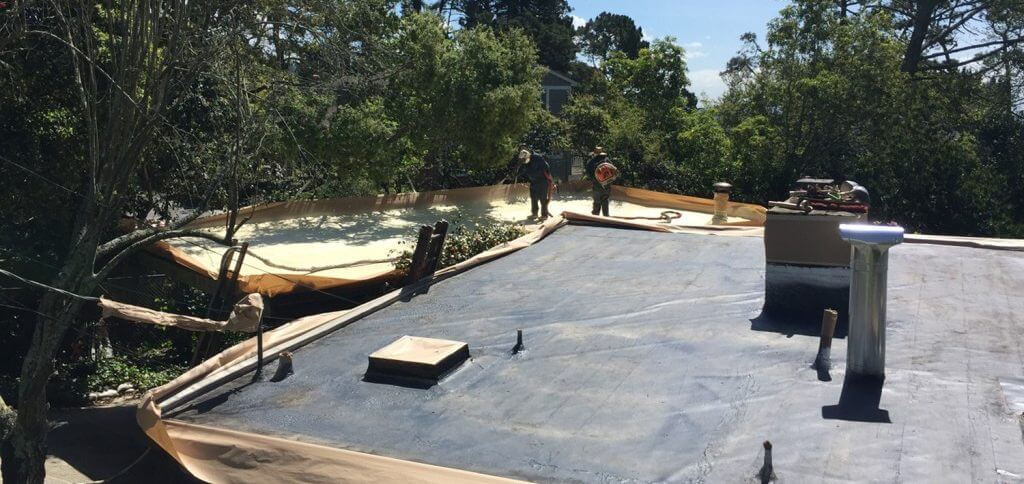
Spray polyurethane foam (SPF), or foam roofing, has emerged as a high-performance roofing solution, particularly for homes with flat or low-sloped roofs. It’s not a new technology, having been around since the 1970s, but it has only gained significant recognition since the early 2000s. It has become a popular choice due to its incredible waterproofing and insulation capabilities. Unlike traditional roofing systems, SPF is applied as a liquid that expands to form a solid, seamless barrier, which is critical in preventing leaks and enhancing energy efficiency. Foam roofing’s ability to create a monolithic layer is a key reason for its popularity, especially in modern architectural designs that feature flat roofs. In the past, many of these roofs have been made with tar and gravel, which can cause issues over time.
Understanding Spray Polyurethane Foam (SPF)
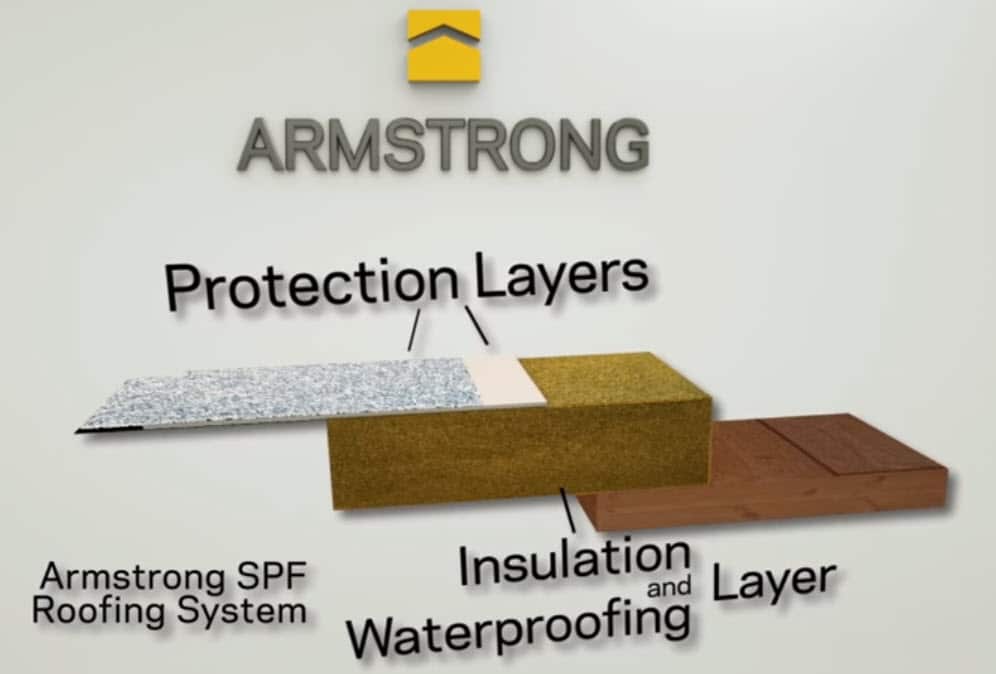
So, what exactly is this spray foam? Simply put, it’s a type of plastic that is applied as a liquid and then expands into a solid foam. This foam layer is typically about 1 ½” thick, but can be adjusted depending on the roofing needs.

The material is created by mixing two liquid components that react when they come in contact with each other. This reaction forms a rigid, closed-cell foam that provides both excellent insulation and waterproofing. Because the foam is sprayed, it fills every nook and cranny on the roof, which eliminates the need for nails or seams, which is where water can often seep in. In our four decades of experience, we’ve seen firsthand how this seamless barrier can dramatically reduce the chance of leaks, and we’ve been impressed with its resilience in harsh weather conditions.
The Unique Challenges of Flat Roofs
Flat roofs are a common feature of modern architectural designs, including iconic Eichler homes or Eichler-style homes. While they may be aesthetically pleasing, flat roofs can present some unique challenges, particularly regarding drainage. Unlike sloped roofs, flat roofs do not naturally shed water, which means that any imperfections in the roofing can lead to water pooling and eventual leaks.
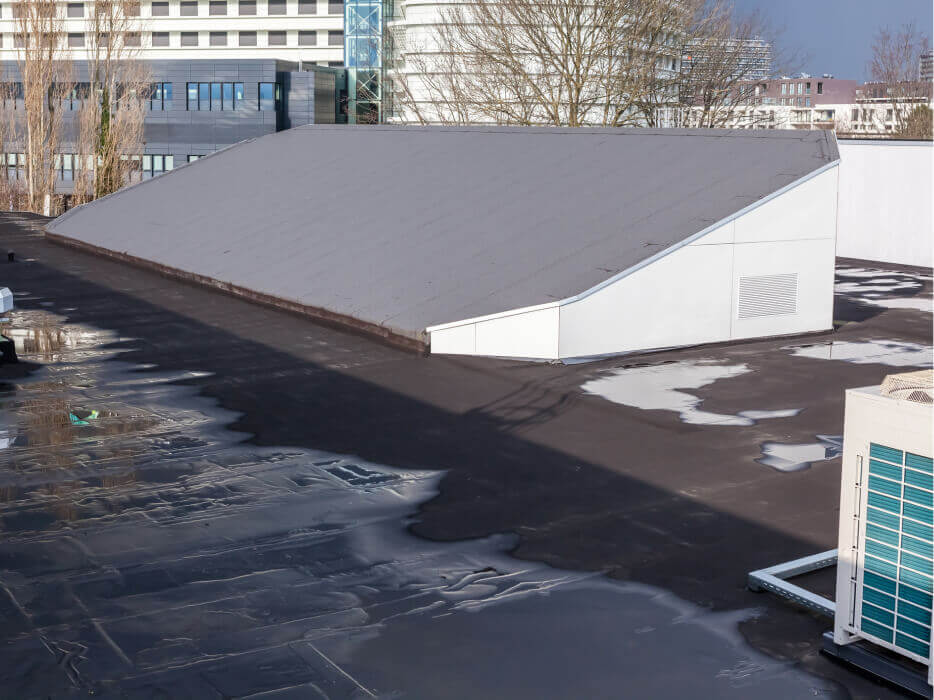
Traditional materials like tar and gravel are not always effective at preventing leaks on flat roofs, and can also be quite heavy, which puts strain on the building’s structure (building envelope). This is why it’s so important to find a roofing solution that’s designed specifically for flat roofs, and spray foam is one of the best solutions available today.
Why Foam Roofing is Perfect for Eichler Homes
Eichler homes are architectural gems of the mid-century modern movement, known for their clean lines, open floor plans, and – you guessed it – flat roofs. The roofs on these houses were traditionally made with tar and gravel, which as we’ve mentioned, has a lot of drawbacks.
Foam roofing is an ideal solution for these homes because it creates a seamless, waterproof barrier, and also preserves the home’s original aesthetic. Many homeowners like the fact that you can choose from a variety of finishes that are much cleaner looking than the traditional black gravel look. With the lightweight nature of foam, you do not have to worry about the roof being too heavy for the relatively delicate structure of your Eichler home. It’s like having a custom-fit raincoat for your house.
The Longevity and Durability of Foam Roofing
One of the main reasons to switch to foam roofing is its long-term durability. Unlike some traditional materials that need frequent repairs or replacement, a professionally installed foam roof can last for decades or even a lifetime with proper care.
The longevity of foam roofing makes it a sustainable, low-slope roofing system. Although, it is important to know that, like any material, it does require some maintenance to keep it performing well. In our experience, this usually means recoating the roof about every 20 years. But that minimal upkeep can save you so much money in the long-run because you won’t need to constantly pay for minor repairs or even major roof replacements, which would be necessary with other roofing systems.
The Insulating Power of Foam Roofing
Foam roofing isn’t just great for waterproofing; it’s also a fantastic insulator. In fact, it’s considered one of the most energy-efficient roofing materials that you can find. It can be over 500% more efficient!
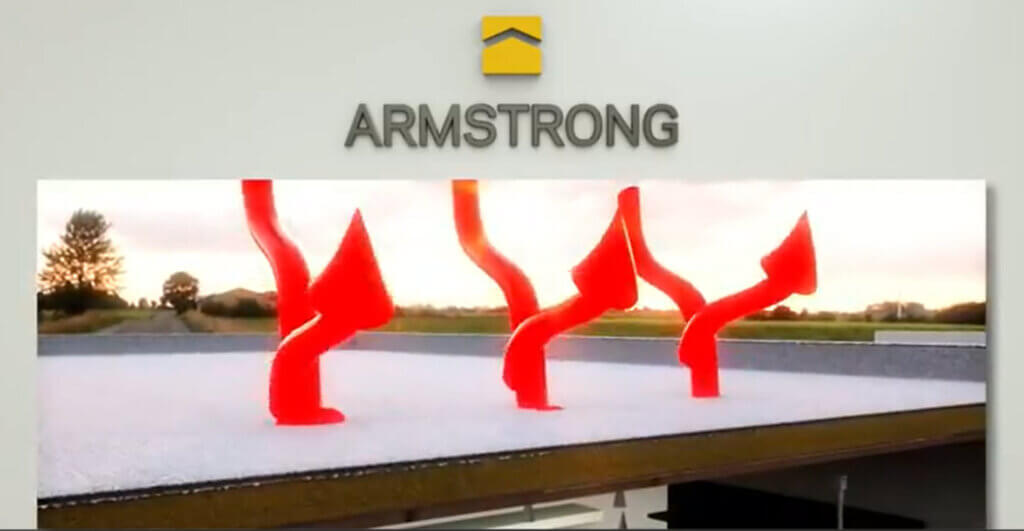
By creating a tight seal, foam roofing helps to keep your home cool in the summer and warm in the winter, which means that you’ll spend less money on heating and cooling. It’s the same principle as a thermos; it keeps the temperature constant regardless of the temperature outside. This not only makes your house more comfortable, but it also helps to reduce your carbon footprint. From our professional perspective, the energy savings of spray foam roofing is one of its most compelling benefits.
Foam Roofing’s Resistance to the Elements
Living in a place like the San Francisco Bay Area, you know how important it is to have a roof that can withstand all types of weather. Foam roofing is designed to be resistant to rain, wind, and even seismic activity. We’ve seen foam roofs withstand the toughest storms with minimal damage, which is a testament to their strength.
The seamless, monolithic nature of the foam makes it very hard for water to penetrate, which means your home is safe from leaks and water damage. This resistance to the elements not only protects your home but also helps keep your family safe and dry.
The Lightweight Nature of Foam Roofing
Another advantage of foam roofing is its lightweight nature. Unlike some traditional roofing materials that can be very heavy, foam roofing adds very little weight to your roof structure. This is particularly important for older homes like Eichlers, which were built during a time when building codes and materials were different.
A typical built-up roof can weigh around 600 lbs per 100 square feet, while foam roofing is only around 60 lbs per 100 square feet. The lightweight quality of foam roofing means that you can often apply it over existing roofs without needing to reinforce the structure, which saves you a lot of money and time.
Installation of Foam Roofing
While foam roofing is an excellent product, it’s important to know that proper installation is key to ensuring that you get all of the benefits that come with the material. The application of spray foam requires specialized equipment, skill, and experience, which is why it’s crucial to work with a professional roofing company.
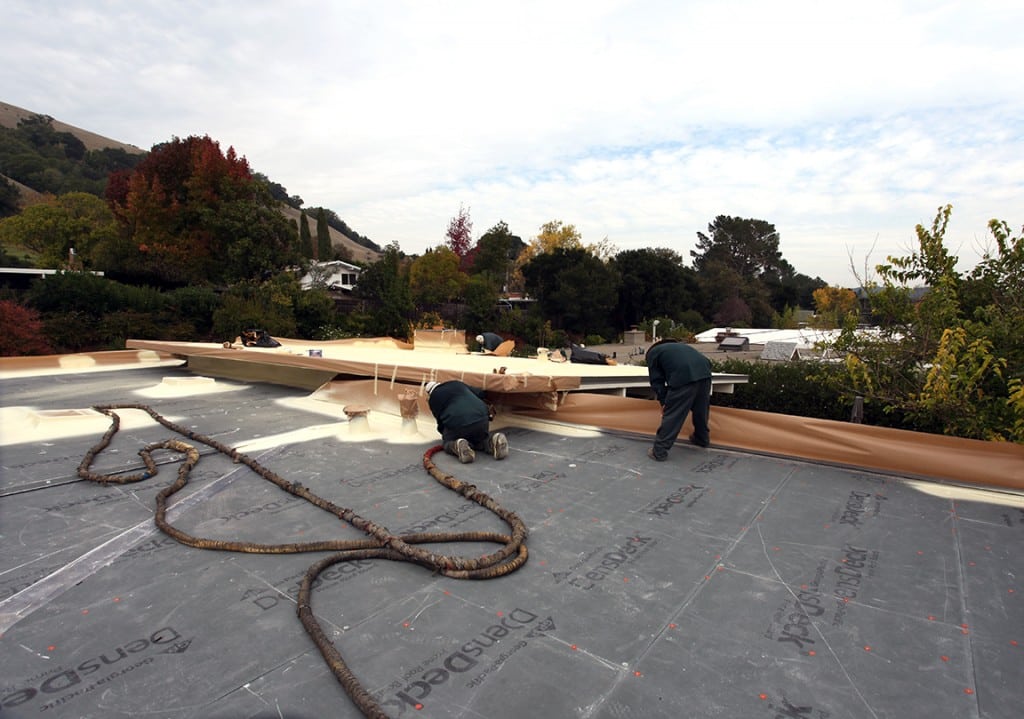
A trained installer will make sure that the foam is applied correctly under the right weather conditions and with the right thickness. We’ve seen it all during our 40+ years of experience, and we can assure you that a poorly installed foam roof most likely will not perform well. This is definitely not a DIY project so it’s important that you find a trust local professional foam roofing contractor to complete the job.
Minimal Maintenance of Foam Roofing
Once installed, foam roofing requires minimal maintenance compared to traditional roofing systems. While some roofing systems require frequent inspections and repairs, foam roofing only needs recoating every 20 years to keep it performing like new. This means that you’ll spend much less time and money on maintenance.
This is because the foam is resistant to wear and tear, and the seamless nature of the material means there are no seams or nails that can become loose or damaged. Also, due to the high-quality waterproofing barrier that it creates, you will not need to worry as much about water damage.
Minor punctures to the surface won’t result in leaks, as only damage that extends all the way to the base material can compromise the waterproofing. While the roofing system can provide long-term protection, it needs to be shielded from ultraviolet radiation, requiring prompt repairs of any damage (typically a quick, cost-effective, and straightforward process).
Regarding concerns about bird damage, the protective coating applied to all Armstrong SPF roofing systems effectively prevents birds from causing serious harm. When birds attempt to peck at the surface, their beaks simply bounce off, discouraging further pecking attempts.
Foam Roofing and Sustainability
In our modern world, sustainability is an important factor to consider when making choices about building materials. Foam roofing is an excellent choice for homeowners and commercial property owners who care about the environment because it is a highly energy-efficient material. It is considered to be “Green or Sustainable Building Material” (For more information about this issue, please read our post on White Roofs).
Also, by reducing the need for frequent repairs and replacements, foam roofing can help to conserve resources, and reduce waste. We’ve been an advocate for sustainability for decades, so seeing foam roofing become more widely used is quite encouraging. It’s a win-win solution that protects your property while also protecting our planet.
Cost-Effectiveness of Foam Roofing
Many people are surprised to learn that foam roofing is actually a cost-effective solution. While the initial investment might be slightly higher than some traditional materials, the long lifespan, minimal maintenance, and energy savings make it a very smart investment that will pay off in the long run.
Most homeowners find that foam roofing will pay for itself within about four years. Also, by eliminating the need for frequent repairs, you’ll save money that you might have spent on maintenance or replacements of a different type of roofing system. It’s like buying a car that gets great gas mileage, saving you money over time.
Frequently Asked Questions
Q1. Can I install foam roofing myself?
No, it is recommended to hire a professional for foam roofing installation to ensure the best performance and longevity.
Q2. Does foam roofing come in different colors?
Yes, foam roofing can be customized with different coatings to match your home’s aesthetic.
Q3. What kind of maintenance does a foam roof need?
Foam roofs require minimal maintenance, but will need a recoating about every 20 years. For more details, please read our article on “Roof Maintenance: Simple Guidelines”
Q4. Does a foam roof prevent mold growth?
Yes, the seamless nature of foam roofing prevents water from being trapped, reducing the opportunity for mold to grow.
Contact Armstrong Foam Roofing
If you’re thinking about replacing your flat or low-sloped roof, especially if you own an Eichler home, reach out to Armstrong Foam Roofing. Our team will gladly schedule a consultation to help you understand the benefits that a foam roofing system can provide for your home.
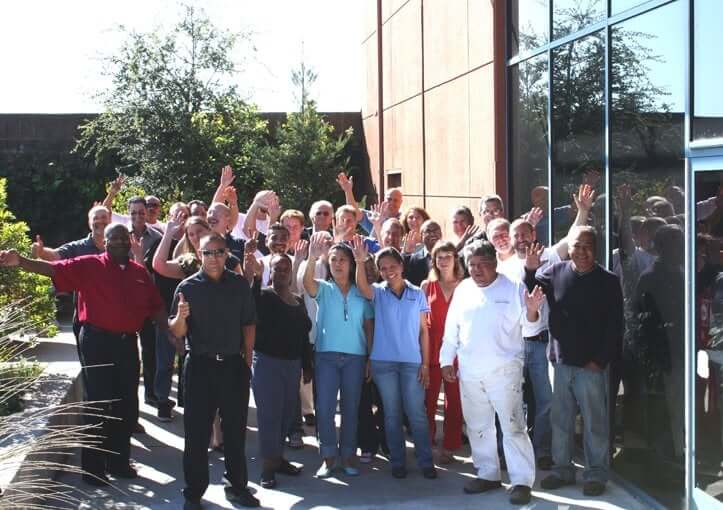
Let us put our extensive knowledge and expertise to work for you! Our commitment to high-quality SPF roofing, combined with some of the best warranties in the industry, ensures that choosing Armstrong Foam Roofing is a smart decision. We offer a complimentary Satellite Roof Estimate, and you can easily set up a free remote consultation via phone at 1-844-796-1234, computer, Skype, or email. For those who prefer a personal touch, we also provide convenient at-home (outside) estimates to suit your needs!