


It is common for homes and commercial structures in the San Francisco Bay Area to have a flat roof. This is because flat roofs offer a modern aesthetic and can maximize usable space which is at a premium in our area. However, flat roofs present unique challenges, particularly when it comes to waterproofing. Unlike sloped roofs, which shed water easily, flat roofs are prone to water pooling. This can lead to leaks, moisture damage, and even structural problems over time. We will discuss one of the most effective flat roof waterproofing solutions, specifically designed for flat roofs in the Bay Area, helping you prevent leaks before they start.
Common Causes of Flat Roof Leaks
Flat roofs differ significantly from sloped roofs. While they have a slight pitch to facilitate drainage, they are predominantly horizontal. This design can lead to water pooling if not properly managed, making it crucial to understand how flat roofs work for effective waterproofing.
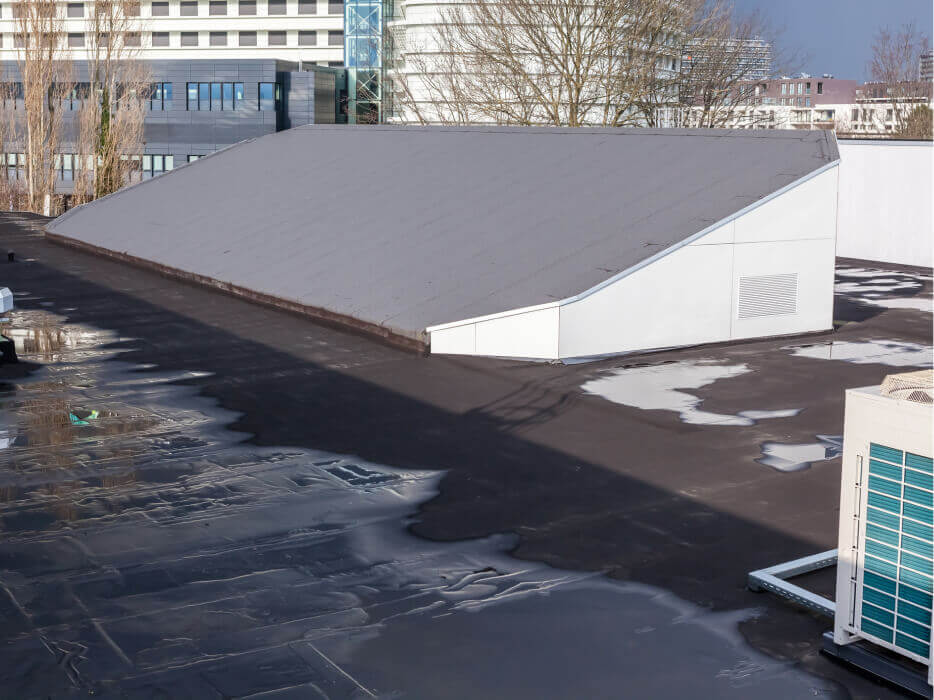
Ponding Water
As we mentioned, water pooling is a major culprit in flat roof leaks. Even small amounts of standing water can eventually seep into the roofing material and cause damage.
Damaged Roofing Materials
Exposure to the elements, UV radiation, and foot traffic can all take a toll on roofing materials, leading to cracks, tears, and other vulnerabilities that allow water to penetrate.
Poorly Sealed Seams and Flashing
Flat roofs rely on seams and flashing (metal or membrane pieces used to seal around roof penetrations like vents and chimneys) to prevent water intrusion. If these are not installed or maintained correctly, they can become weak points.
Clogged Drains
Flat roofs have drainage systems to direct water off the surface. If these drains become clogged with debris, water can back up and create ponding issues.
The Importance of Proactive Flat Roof Waterproofing
Ignoring a small leak can lead to major problems down the line. Addressing waterproofing issues promptly can save you a lot of headaches and expense. By taking a proactive approach, you can:
- Prevent Water Damage: Leaks can damage your ceiling, walls, insulation, and even structural components, leading to costly repairs.
- Avoid Mold Growth: Moisture trapped in building materials creates a breeding ground for mold and mildew, which can pose health risks and require professional remediation.
- Improve Energy Efficiency: A well-waterproofed roof helps maintain a consistent indoor temperature, reducing your reliance on heating and cooling systems and lowering energy bills.
- Extend the Lifespan of Your Roof: Addressing leaks and other issues early can help prolong the life of your roofing system and avoid the need for premature replacement.
Traditional Flat Roof Waterproofing Methods and Their Limitations
While there are a number of traditional methods for flat roof waterproofing, they often come with limitations that can impact their effectiveness and longevity. These methods, such as built-up roofing and single-ply membranes, may be more familiar and less expensive upfront but often require more frequent repairs and replacements in the long run.
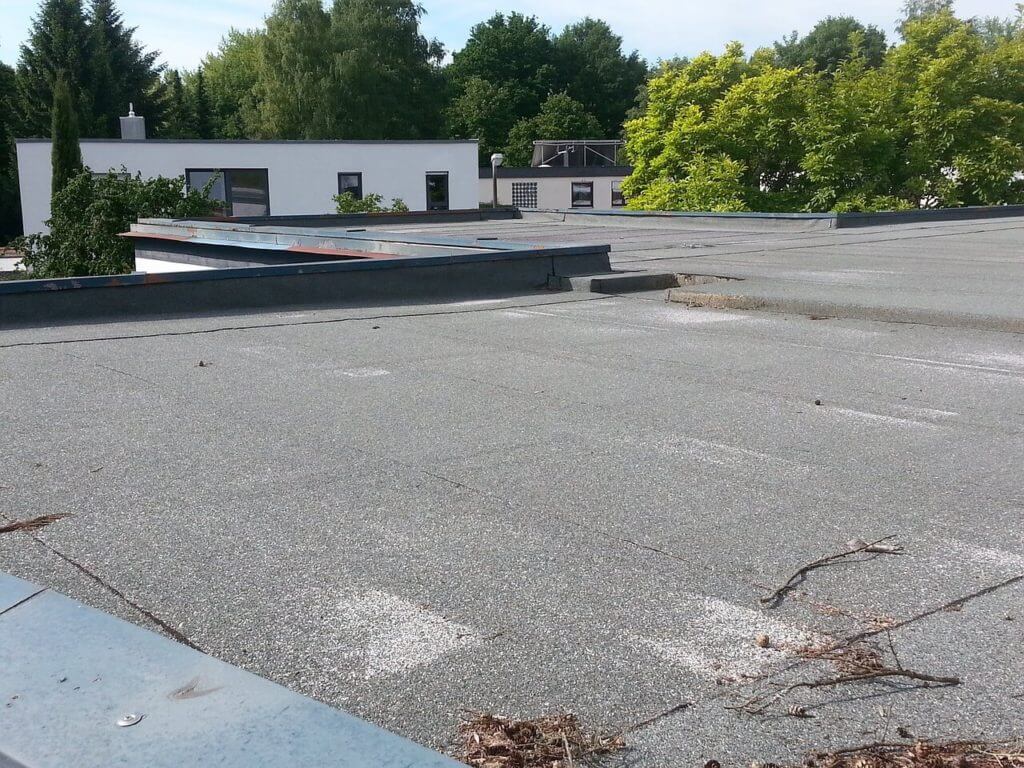
Built-Up Roofing (BUR)
BUR systems, also known as tar and gravel roofs, have been a common choice for decades. They involve layering roofing felt and asphalt, topped with gravel. However, they are prone to leaks over time due to their multiple seams and susceptibility to weather damage.
Single-Ply Membranes
These systems use a single sheet of rubber or thermoplastic material. They offer improved waterproofing compared to BUR but can still be vulnerable to punctures and seam failures.
Expert Advice: When to Call a Professional Roofer
While some maintenance tasks can be done by homeowners, certain situations like roofing issues require professional help. If you notice significant damage or persistent leaks from your roof, it’s best to consult a licensed local roofing contractor.
Signs You Need Help
- Ponding Water: Areas where water collects on the roof can indicate drainage issues that need to be addressed.
- Visible Damage: Cracks, holes, or blisters in the roofing material can compromise the waterproofing and should be repaired immediately.
- Mold Growth: Signs of mold or mildew indicate moisture problems that require professional assessment and remediation.
- Increased Energy Bills: A sudden spike in heating and cooling costs can indicate that your roof’s insulation is compromised, potentially due to leaks.
The Importance of Quality Installation
Even the best roofing solution won’t work if it’s not installed correctly. Hiring a qualified contractor is essential for effective roofing. Poor installation can lead to premature failure of the roofing system and costly repairs down the line.
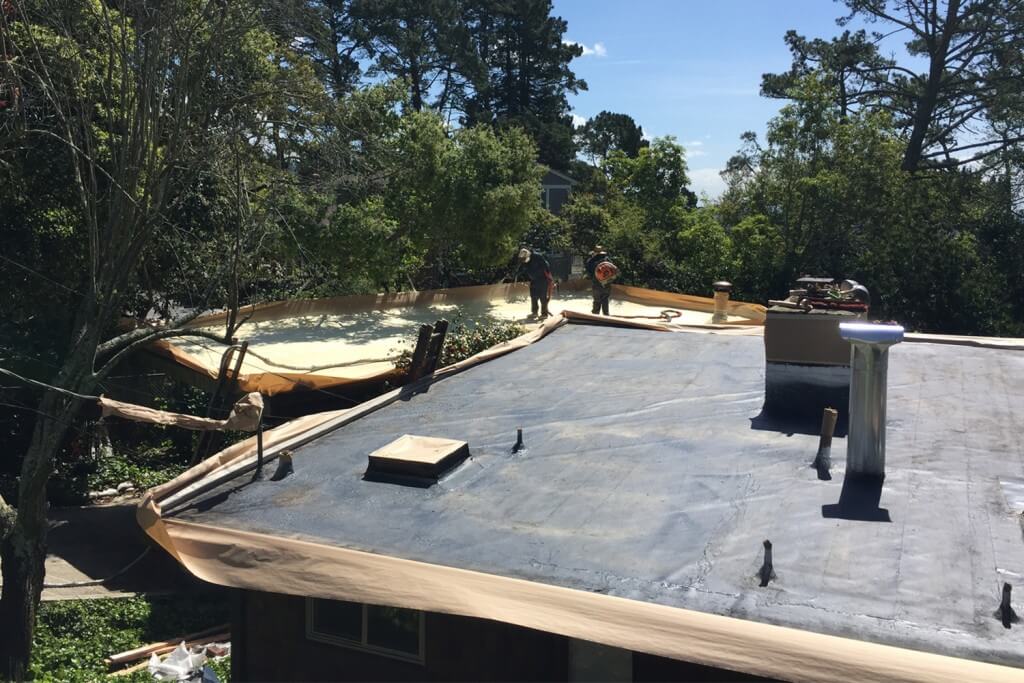
What to Look for in a Roofing Contractor
- Experience: Look for a contractor with a proven track record in foam roofing and flat roof installation and replacement. Ask about their previous projects and successes.
- References: Ask for recommendations from previous clients to gauge the contractor’s reliability and quality of work.
- Licensing: Ensure they are properly licensed and insured to protect yourself from liability in case of accidents during the project.
- Warranty: Inquire about warranties for both materials and workmanship to ensure you are protected in case of future issues.
Why Spray Foam Roofing is the Superior Waterproofing Solution
For many years, traditional roofing methods were the go-to solution for flat roofs. However, advancements in roofing technology have led to the development of spray foam roofing, a superior alternative that addresses the limitations of traditional methods and provides exceptional waterproofing capabilities.
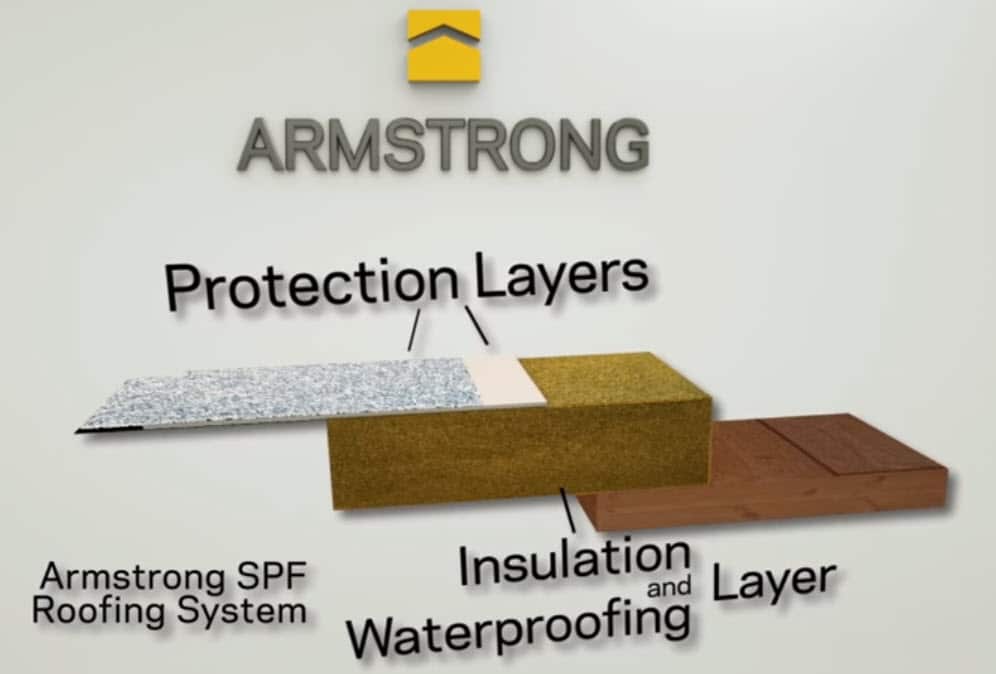
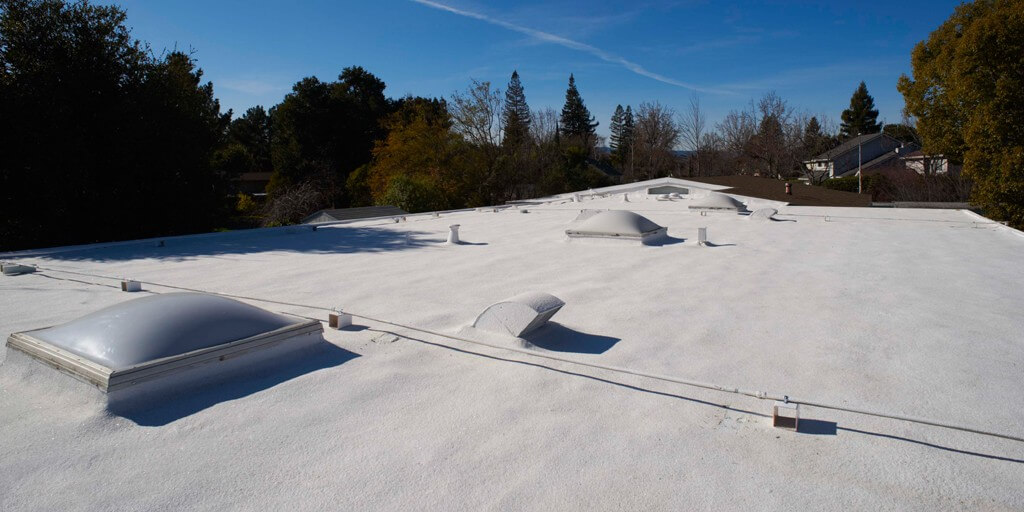
Spray polyurethane foam (SPF) roofing has emerged as the gold standard in waterproofing for flat roofs. Here’s why:
- Seamless and Monolithic: SPF is sprayed on as a liquid and expands to create a continuous, seamless membrane that adheres tightly to the roof deck. This eliminates the seams and joints that are common leak points in other roofing systems.
- Exceptional Water Resistance: SPF is inherently water-resistant due to its closed-cell structure, which prevents water from penetrating even if the top coating is damaged.
- Long-Lasting Durability: An SPF roof can last for decades or even a lifetime with proper maintenance, offering superior protection against weather, UV radiation, and foot traffic.
- Energy Efficiency: SPF provides excellent insulation, creating a thermal barrier that helps keep your building cooler in the summer and warmer in the winter. This can lead to significant energy savings and lower utility bills.
The Armstrong Foam Roofing Advantage
Armstrong Foam Roofing is a leading provider of foam roofing solutions in the San Francisco Bay Area. What sets us apart:
- Decades of Experience: We have been installing foam roofs since 1966, and our team has a deep understanding of the local climate and building codes.
- Specialization in Foam Roofing: We focus exclusively on SPF roofing, allowing us to develop unparalleled expertise in this technology.
- Commitment to Quality: We use only the highest quality materials and adhere to strict installation standards to ensure a durable and long-lasting roof.
- Customer-Focused Approach: We prioritize customer satisfaction and work closely with you throughout the entire process.
Frequently Asked Questions
Q1. What is the average lifespan of an SPF roof?
With proper installation and maintenance, an SPF roofing system can protect your home for a lifetime.
Q2. How often does an SPF roof need to be recoated?
While SPF roofing requires minimal maintenance, regular inspections are suggested. With a recoating every 20 years and proper maintenance your foam roof can last a lifetime.
Q3. Can SPF roofing be installed over an existing roof?
SPF can be applied directly to the existing substrate in many retrofit cases.
Q4. Can I walk on SPF roofing?
SPF roofs can sustain up to 50 pounds per square inch (PSI) which is strong enough to support the weight of any person.
Q5. How much can I save on my energy bills with an SPF roof?
A cool roof (preferably white) can be more than 50°F cooler than a standard roof under the hot summer sun. SPF roofing systems provide excellent energy efficiency and start to pay for themselves the moment they are installed.
Protect Your Investment Today
Waterproofing your flat roof is essential for preventing leaks and ensuring the longevity of your roof. By understanding the various options available and maintaining your roof regularly, you can protect your investment and avoid costly repairs. Remember, a proactive approach to waterproofing will save you time, money, and stress in the long run.
Don’t wait for a leak to cause damage and disrupt your life. Contact Armstrong Foam Roofing for a free consultation and quote. Our team of experts will assess your roofing needs and provide a tailored waterproofing solution for your Bay Area flat roof.