

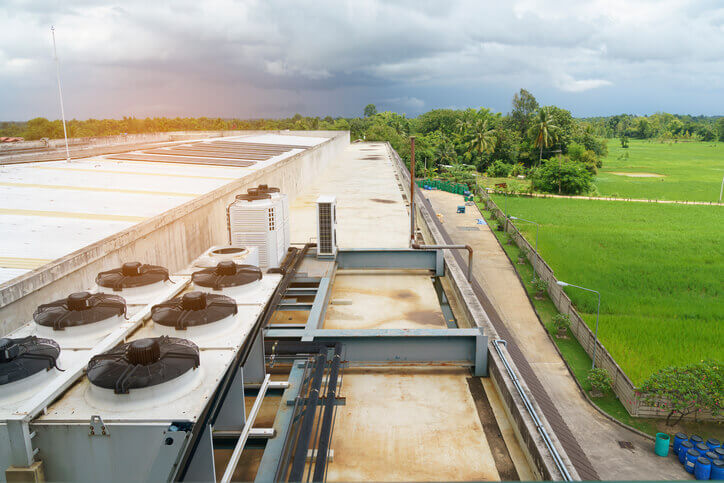
The San Francisco Bay Area presents unique challenges for commercial and industrial property owners when it comes to roofing. With its diverse climate patterns, coastal fog, occasional heavy rains, and temperature fluctuations, buildings need roofing solutions that can handle it all. Commercial properties like office buildings, retail centers, and warehouses face different demands than industrial facilities such as manufacturing plants and distribution centers.
The Demands on Flat and Low-Sloped Commercial and Industrial Roofing
Flat and low-sloped commercial and industrial roofs are frequently susceptible to issues from environmental factors like moisture, fluctuating temperatures, and even seismic activity. In addition, commercial roofs typically handle moderate foot traffic and equipment loads, while industrial roofs must withstand heavier machinery, chemical exposure, and more intensive use. Both types of properties share common concerns: energy efficiency, longevity, and protection from the elements.
The High Cost of Conventional Roof Maintenance
Managers of commercial and industrial properties often find these roofs to be the most demanding aspect of building maintenance, with common complaints including persistent leaks, high energy costs, and the need for frequent repairs. Traditional roofing systems, such as built-up roofing (BUR) like tar and gravel, often fall short in addressing these problems, leading to significant disruption and expense.
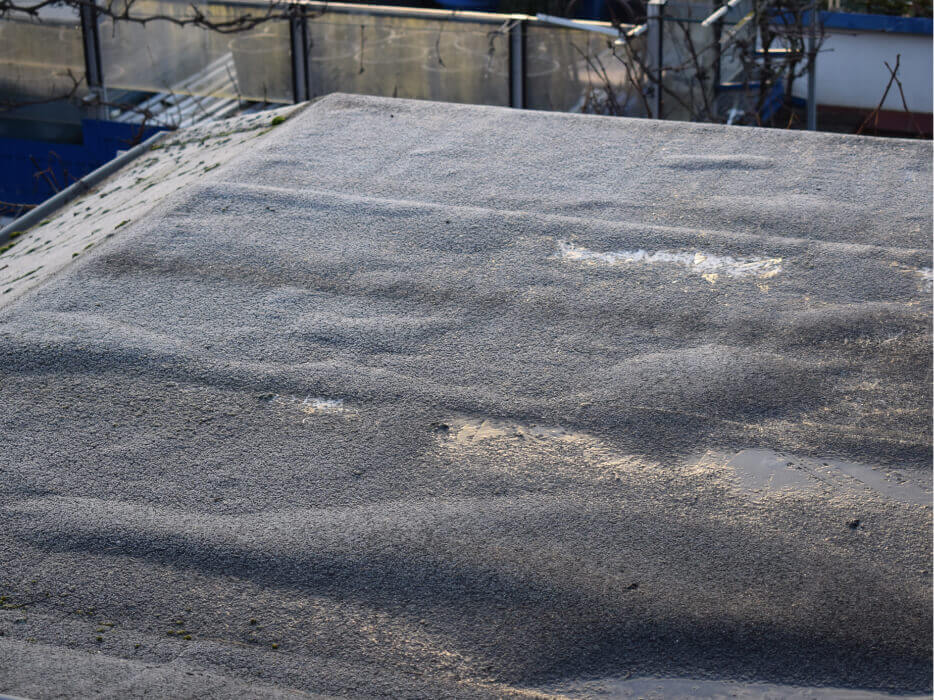
Spray Foam Roofing: A Modern Solution for Durable and Efficient Commercial and Industrial Roofs
Fortunately, there’s a modern, high-performing alternative: Spray Polyurethane Foam (SPF) roofing. SPF offers an ultimate solution for boosting energy efficiency and enhancing interior comfort with its exceptional insulating and waterproofing properties. Armstrong Foam Roofing has been at the forefront of providing these advanced solutions, upgrading and protecting homes and commercial buildings across the Bay Area since 1966. With over 50 years of dependability, we bring a wealth of experience to tackle even the most complex roofing needs for commercial and industrial properties, ensuring long-term protection and cost savings.
Climate Challenges Facing Bay Area Commercial Properties
The Bay Area’s Mediterranean climate creates specific roofing challenges that property owners must address. Coastal areas experience temperate climate, moderate temperatures, and frequent exposure to marine air and fog, which can accelerate material deterioration over time. The region’s wet winters bring periods of heavy rainfall that test roofing systems’ waterproofing capabilities, while dry summers create thermal stress as materials expand and contract.
Fog and marine air introduce salt and moisture that can corrode traditional roofing materials, especially metal components. Temperature swings between coastal and inland areas can be dramatic, sometimes varying by 20-30 degrees within miles. This thermal cycling puts stress on roofing membranes and can cause cracking or separation at seams. Additionally, climate change impacts include increased thermal stress, material deterioration, and damage from intense storms and heavy rainfall. Smart property owners recognize these challenges and invest in roofing systems like spray foam roofing designed to handle the Bay Area’s unique environmental conditions.
Common Concerns for Commercial and Industrial Roofing
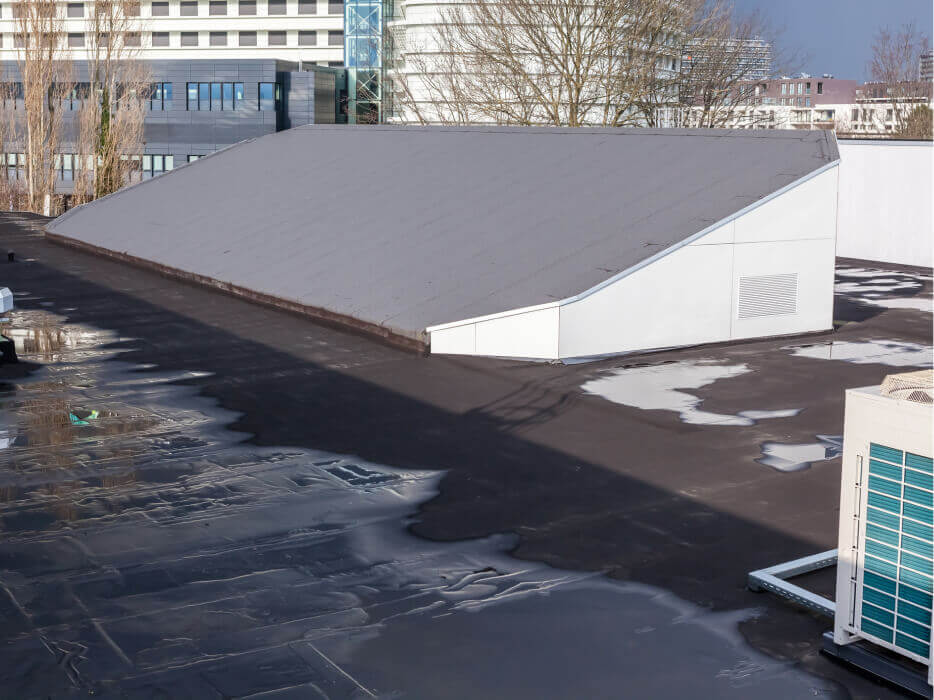
Property owners in the Bay Area face several recurring roofing problems that impact their bottom line. Frequent repairs and maintenance become costly burdens, especially when traditional roofing systems fail prematurely due to climate stress. Many older commercial buildings have flat or low-slope roofs that are prone to ponding water, leading to leaks and structural damage over time.
Energy costs represent another major concern, as poorly insulated roofs allow heated or cooled air to escape, driving up utility bills. Disruptions to business operations during roofing work can result in lost revenue and unhappy customers. Finding reliable contractors who understand local conditions and can provide long-term solutions rather than quick fixes adds another layer of complexity. Insurance claims from weather-related damage become frequent headaches, and the ongoing cycle of patch-and-repair work never truly solves underlying problems. These issues compound over time, making proactive roofing decisions essential for protecting both property and profit margins.
Understanding Spray Polyurethane Foam (SPF) Roofing: The Modern Solution
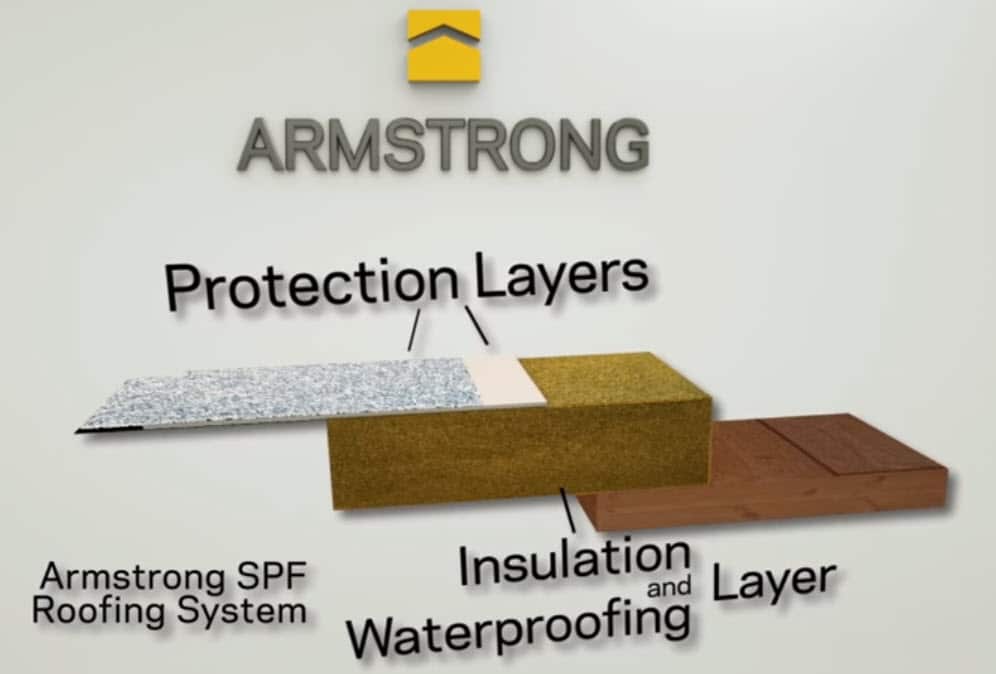
Spray Polyurethane Foam (SPF) roofing represents a significant leap forward from conventional roofing materials like tar and gravel. This advanced system involves applying a liquid polyurethane foam layer, typically around 1 ½” ± ¼″ thickness, directly onto your roof substrate. As the foam cures, it expands up to 30 times its original volume, conforming perfectly to the roof’s surface and filling any cracks, gaps, or crevices. This process creates a seamless, monolithic barrier that simultaneously provides excellent waterproofing and insulation.
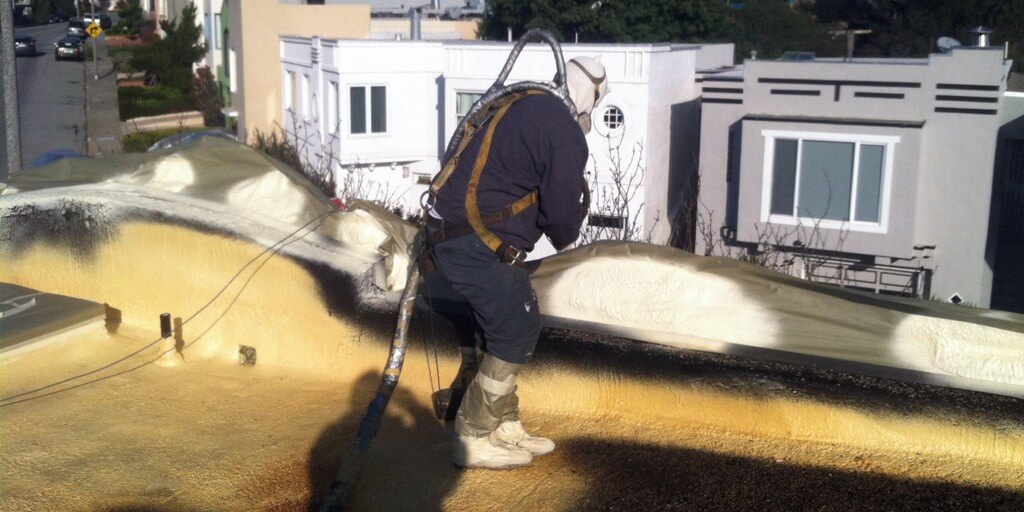
Armstrong Foam Roofing specifically uses closed-cell foam, renowned for its energy efficiency, durability, and rigidity. The tightly packed cells prevent air and moisture penetration, making it an ideal choice for both new construction and existing roofs. Furthermore, Armstrong’s foam density is rated at 3LB, which represents the highest quality roofing foam available. This 3LB foam offers superior insulation values, strength, and exceptional longevity, being rigid enough to walk on without damage, supporting up to 50 pounds per square inch (PSI). This foundation is crucial for a roof designed to withstand regular maintenance and last for decades.
Unmatched Energy Efficiency: Slashing Your Utility Bills
One of the most compelling benefits of Armstrong Foam Roofing’s SPF system for commercial and industrial properties is its outstanding energy efficiency. SPF foam boasts a very high R-value, which measures a material’s resistance to heat flow. This means it significantly reduces the amount of heat that transfers into your building during warm months and prevents heat from escaping during colder periods, leading to substantial reductions in heating and cooling costs.
In fact, SPF roofing is over 500% more efficient than conventional roofs, leading to potential savings of up to 40% on heating and cooling bills for property owners. Research, including a study by Texas A&M University, has shown that these significant energy savings can often pay for the entire cost of the foam roof within just 3 to 4 years. Beyond direct savings, the white elastomeric coating applied to Armstrong’s foam roofs creates a “cool roof” effect, reflecting sunlight and lowering rooftop temperatures by as much as 50°F, further reducing peak cooling demand. This translates into a more comfortable interior environment and a smaller carbon footprint for your business.
Durability & Longevity: A Roof That Lasts a Lifetime
Industrial and commercial roofs face constant exposure to diverse weather conditions, making durability and longevity critical factors. Armstrong Foam Roofing’s SPF systems offer exceptional resistance to extreme temperatures, high winds, heavy rainfall, hail, and impacts. Studies, including findings from the National Institute of Standards and Technology (NIST), highlight that SPF roofs incurred little to no damage during major hurricanes like Katrina and Rita, unlike conventional roofing systems that experienced significant failure. The seamless, monolithic nature of SPF also means there are no weak points like seams or joints, which are common failure areas in traditional multi-layered roofs susceptible to expansion and contraction.
With proper installation and maintenance, an Armstrong SPF roofing system can last for decades, potentially even the lifetime of the building. This impressive lifespan is supported by long-term studies, such as the one at Texas A&M University, where SPF roofs installed over 40 years ago continue to perform well with only minimal maintenance. Maintenance typically involves a simple recoating of the protective UV layer every 15 to 20 years to ensure continued optimal performance and protection against the sun’s damaging rays. This minimal maintenance requirement saves property owners significant time and money over the roof’s lifespan compared to traditional systems.
Lightweight Advantage and Waste Reduction
For commercial and industrial properties, especially older structures, the weight of a roofing system is a significant consideration. Traditional BUR systems, such as tar and gravel, can add a substantial burden to a building’s structure, weighing approximately 600 pounds per 100 square feet. In contrast, Armstrong Foam Roofing’s SPF system is remarkably lightweight, adding only about 60 pounds per 100 square feet. This dramatic reduction in weight places minimal stress on the building’s foundation and walls, making SPF an ideal choice for commercial buildings where structural integrity is a concern.
Another key advantage of SPF roofing is its ability to be applied directly over many existing single-layer roofs. This eliminates the need for costly and time-consuming tear-offs of the old roofing material, which significantly reduces labor costs and installation time. Furthermore, avoiding tear-offs means less waste generated and sent to landfills, making Armstrong Foam Roofing an environmentally friendly choice and contributing to a greener planet. This aspect is particularly beneficial for businesses looking to minimize their environmental footprint and align with sustainability goals.
Seamless Waterproofing: No More Leaks
Flat and low-sloped commercial and industrial roofs are notoriously prone to leaks and water accumulation, primarily due to issues with seams and drainage. BUR systems, with their multiple layers and joints, are especially vulnerable to water infiltration as expansion and contraction cause these seams to separate over time. Flashing, designed to seal critical intersections like walls, skylights, and vents, also frequently fails due to degradation or improper installation, leading to leaks.

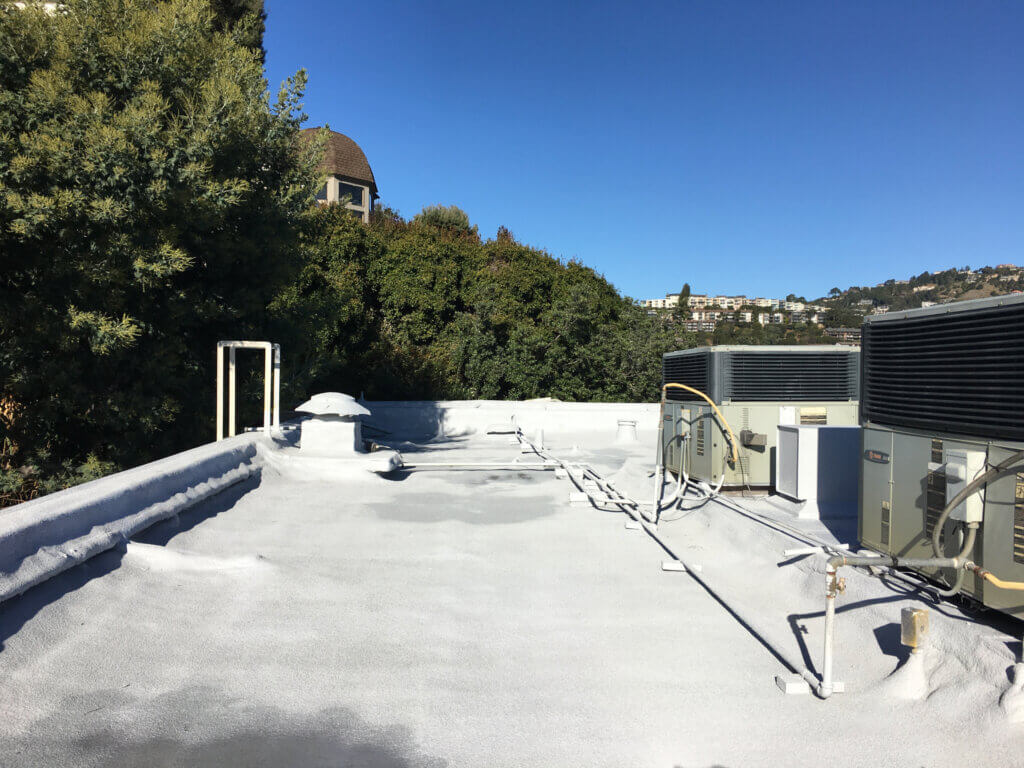
Armstrong Foam Roofing directly addresses these concerns by creating a truly seamless and monolithic membrane. Because the foam is sprayed on as a liquid and custom-conforms to every surface, it effectively eliminates all seams, joints, and fasteners that are common points of failure in conventional roofs. This unique property also makes it ideal for flashing around complex rooftop equipment like HVAC units and cooling towers, as the foam perfectly seals these areas, preventing leaks caused by faulty flashing. Additionally, Armstrong’s spray foam roofing system can be applied to fill low areas and create a positive slope, ensuring proper water drainage and eliminating problematic ponding water that can lead to structural damage and mold growth.
Cost-Effectiveness Over Time: A Smart Investment
While the initial investment for a spray foam roofing system from Armstrong Foam Roofing might be comparable to or slightly higher than some traditional roofing materials, its long-term cost-effectiveness makes it a smart financial decision for commercial and industrial property owners. The upfront cost, ranging from approximately $4 to $7 per square foot for a typical commercial roof (excluding higher-density foam), is quickly offset by significant operational savings.
The primary driver of these savings is the exceptional energy efficiency of foam roofing, which, as we have already mentioned, can reduce heating and cooling bills significantly and help pay for itself. Beyond energy savings, the unparalleled durability and longevity of Armstrong’s SPF systems mean fewer repairs, minimal maintenance, and extended lifespans, drastically reducing the need for costly roof replacements. This focus on lifecycle cost, rather than just initial outlay, positions Armstrong’s foam roofing as a superior, more economical choice for Bay Area businesses.
Why Choose Armstrong Foam Roofing: Experience You Can Trust
When investing in a new roof for your commercial or industrial property, choosing the right contractor is paramount, as the quality of the spray foam roofing system directly depends on the installation expertise. Armstrong Foam Roofing stands out in the San Francisco Bay Area due to our unrivaled experience and proven track record. Having served the Bay Area since 1966, we bring over 50 years of trusted performance to every project. Specifically in foam roofing, Armstrong boasts over 40 years of specialized experience. We can proudly state that we have installed more residential foam roofing than any other company in America.
As a multi-generational family-owned and operated business, Armstrong emphasizes high-quality products and professional, prideful installation. Our detailed 10-step foam roofing installation process ensures that every system is applied correctly and under optimal conditions for a lifetime of performance.
Armstrong also offers some of the best and longest-lasting 15-year warranties in the SPF roofing industry, reflecting our confidence in our workmanship. We are a licensed and insured contractor, a member of the Better Business Bureau with an A rating, and a member of the Spray Polyurethane Foam Alliance (SPFA), underscoring our commitment to professionalism and safety. Our extensive list of satisfied commercial clients across the Bay Area, from churches to pet hospitals and corporate offices, further demonstrates our capability and trusted reputation.
Choosing Armstrong means opting for a reliable, long-term investment that protects your property, enhances energy efficiency, and provides lasting peace of mind. Don’t let roof problems impact your business any longer. Contact Armstrong Foam Roofing today for a free, no-obligation consultation and estimate!
Frequently Asked Questions (FAQ) about Commercial & Industrial Roofing
Q1. How long can a commercial foam roof typically last, and what maintenance does it require?
With proper installation and minimal maintenance, an Armstrong foam roof can last for decades, often the lifetime of the building. The primary maintenance involves a simple recoating of the protective top layer approximately every 15-20 years to ensure continued UV protection and performance. Regular inspections, especially after extreme weather, are also recommended to ensure drains are clear and address any minor damages promptly.
Q2. Will installing a foam roof disrupt my business operations?
Armstrong’s foam roofing system is designed for minimal disruption. In many cases, it can be applied directly over an existing single-layer roof, eliminating the need for costly and time-consuming tear-offs and reducing waste. This results in faster installation times and less interference with your daily operations compared to traditional roofing replacements.
Q3. Is foam roofing suitable for all types of flat or low-sloped commercial and industrial buildings, including older structures?
Yes, SPF roofing is highly versatile and ideal for most flat and low-sloped commercial and industrial roofs. Its incredibly lightweight nature (approximately 60 lbs per 100 square feet compared to 600 lbs for traditional systems) puts less stress on the building’s structure, making it a perfect solution for older buildings where heavy loads could be a concern. It also conforms to unusual roof shapes and intricate designs.
Q4. What happens if the foam roof gets damaged?
Minor damage, like punctures or cuts, can be easily repaired with foam and coating materials. Larger damage areas may require professional repair, but the seamless nature of foam systems makes repairs blend invisibly with surrounding areas.