

We often talk about being “comfortable” when we mean the temperature is good. But it’s actually more than that! Think about it: you can be the right temperature, but if your house is super noisy from outside, or if it feels drafty, you still won’t be truly comfy. Indoor comfort is about feeling good in your home in lots of ways. It’s about having a temperature that feels good whether it’s summer or winter. It’s about peace and quiet inside, away from noisy streets or neighbors. And it’s about having a home that just feels… well, homely and relaxing.
When your home is comfortable, you sleep better, you feel less stressed, and you just generally enjoy being there more. That’s why it is super important to consider roofing when thinking about indoor comfort! As a roofing contractor since 1966, we’d like to discuss foam roofing and how it can make the inside of your house feel just right, no matter the time of year.
What is Spray Foam Roofing?
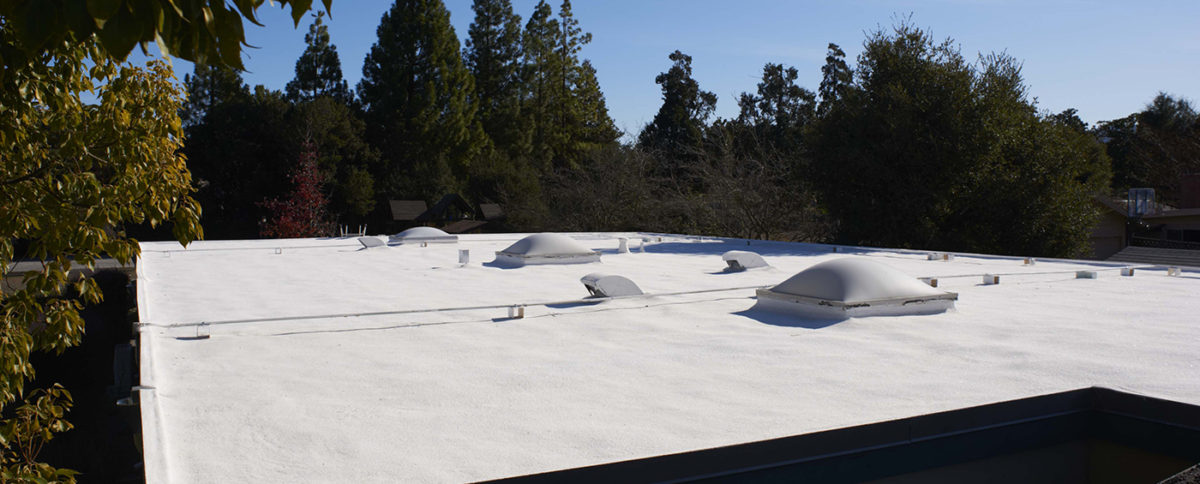
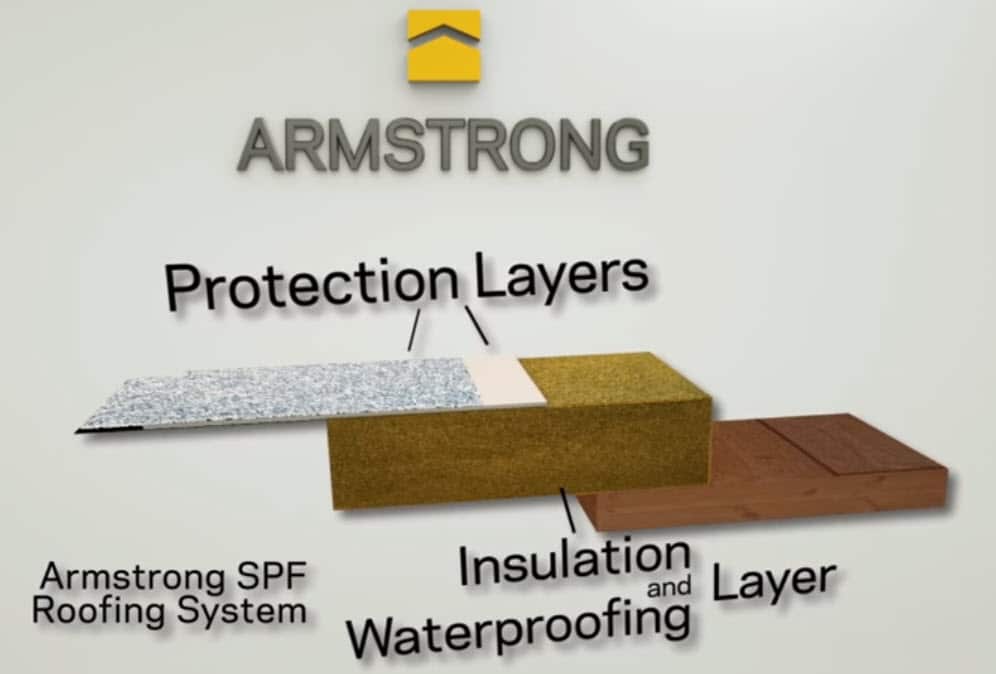
Spray foam roofing is like giving your roof a thick, cozy blanket made of a special material called polyurethane. Instead of putting down layers of different materials like with some old roofs (like tar and gravel), this foam is sprayed on as a liquid and then it puffs up and gets hard. This creates one solid layer with no gaps or seams, kind of like how a freshly poured cake has a smooth top. This solid layer is usually about one and a half inches to three inches thick, give or take a little bit. The type of foam used for roofs is called closed-cell foam, which means all the tiny bubbles inside are squished together. This makes it really effective at stopping air and water from getting through.
Keeping the Summer Heat Out with Foam Roofing
When the sun is blazing in the summer, your roof takes a big hit. If your roof soaks up all that heat, it can make the inside of your house feel like an oven, and you have to turn up the air conditioning. Foam roofing is a great way to fight this summer heat. Because of the closed-cell foam, it acts like a super insulator.
Insulation is like a barrier that slows down the transfer of heat. So, in the summer, the foam stops the hot outside air from easily getting into your cool house. This means your air conditioner doesn’t have to work as hard, and your house stays cooler and more comfortable. Armstrong foam roofs also have a special white coating that reflects sunlight, like wearing a white shirt on a sunny day, which helps to keep the roof even cooler.
Blocking the Winter Chill with Foam Roofing
Just like foam roofing keeps the heat out in the summer, it also works to keep the warm air inside your house during the cold winter months. That same insulating property that’s helpful in the summer is also important in the winter. It stops the warm air from the interior of your home from escaping through the roof. This means your heating system doesn’t have to run as much to keep your house cozy, saving you energy and money.
A Seamless Barrier Against Drafts
Think about a jacket with a zipper that doesn’t quite close all the way. You’ll feel cold drafts sneaking in. Old roofs can have cracks and gaps that let outside air into your house, making it drafty and uncomfortable. Foam roofing creates a seamless, monolithic barrier. This means there are no cracks or gaps for air to sneak through. This helps to keep the temperature inside your house much more consistent and comfortable, without those annoying cold drafts in the winter or hot spots in the summer.
Controlling Moisture for a Healthier Home
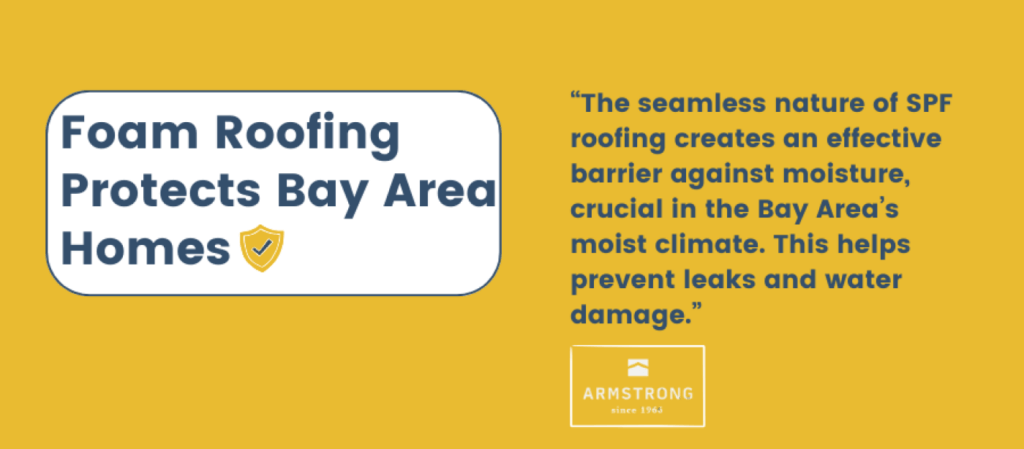
Sometimes, roofs can let in moisture, especially if they are flat or have low slopes, which are common in places like the San Francisco Bay Area. This moisture can lead to dampness inside your house and even cause mold to grow. Foam roofing is waterproof. The closed-cell structure doesn’t allow water to easily pass through. This helps to keep the inside of your house dry and prevents moisture problems that can make your home uncomfortable and even unhealthy. By creating a watertight seal, foam roofing helps to manage moisture and improve the air quality inside your home.

Quieter Indoors with Foam Roofing
Think about how loud it can be outside sometimes – cars driving by, airplanes overhead, or even just noisy neighbors. Your roof plays a role in how much of that noise you hear inside your house. Closed-cell foam has soundproofing capabilities. While it’s not going to block out all the noise, it can help to absorb some of the outside sounds, making the inside of your house quieter and more peaceful. This can definitely improve your indoor comfort, especially if you live in a busy area.
The Magic of the Reflective Elastomeric Coating
Armstrong’s foam roofing systems have a special white or light-colored elastomeric coating. This isn’t just for looks; it has a very important job. This coating is designed to reflect sunlight and protect your foam roofing from the destructive UV rays of the sun.
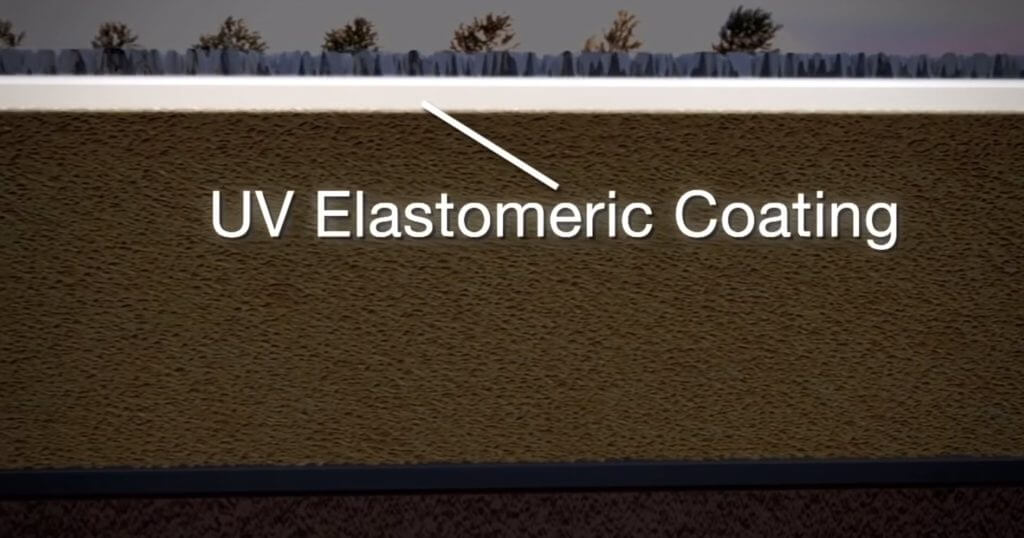
Remember how wearing a white shirt keeps you cooler in the sun? The same idea applies to your roof. By reflecting the sun’s rays, the roof absorbs less heat. This helps to keep your rooms below cooler in the summer, adding to your indoor comfort and reducing the need for air conditioning. These reflective coatings are sometimes called “cool roof coatings” and they can make a significant difference.
Saving Money on Energy Bills and Staying Comfortable
One of the biggest ways foam roofing improves indoor comfort is by reducing your energy bills. Because it’s such a good insulator, your heating and cooling systems don’t have to work as hard to keep the inside temperature just right.
Studies have shown that homes with foam roofing can see a significant reduction in their heating and cooling costs, sometimes by as much as 40%. This not only makes your home more comfortable but also saves you money month after month. Some experts even say that the energy savings can pay for the cost of the foam roof in just three to four years.
The Perfect Fit for Flat and Low-Sloped Roofs
Many homes and commercial buildings, especially in the San Francisco Bay Area, have flat or low-sloped roofs. These types of roofs can sometimes have more problems with leaks and temperature changes than roofs with a steep slope. Foam roofing is an excellent solution for flat and low-sloped roofs. It can be easily applied to these surfaces, creating that seamless, protective barrier that prevents leaks and keeps the indoor temperature comfortable. For owners of Eichler homes, which are famous for their flat roofs, foam roofing is often considered the ideal choice.
Long-Lasting Comfort with a Durable Roof
A roof that’s falling apart isn’t going to do a very good job of keeping you comfortable. Leaks and damage can lead to temperature fluctuations and moisture problems. Foam roofing is known for its durability. The closed-cell foam is strong and can withstand strong winds, heavy rain, and even hail. It’s also resistant to cracking and peeling, unlike built-up roofing systems (BUR). With proper care, a foam roof can last for many years, even a lifetime, providing consistent comfort for you and your family.
Keeping Your Foam Roof in Optimal Condition
While foam roofing is pretty low-maintenance, there are a few simple things you can do to make sure it keeps doing its job of keeping you comfortable. It’s a good idea to keep your roof clean of leaves and other debris that can block drains and cause water to sit on the surface.
You should also check for any damage, like from tree branches, especially after a severe storm. If you do find any damage, it’s important to have it repaired quickly. Every 15 to 20 years, you also need to have a new protective elastomeric coating sprayed on the roof to protect it from the sun’s UV rays. Think of it like putting sunscreen on to protect your skin!
Choosing the Right Roofing Contractors
Getting a foam roof installed correctly is vital to make sure you enjoy all the benefits, including better indoor comfort. It’s not as simple as just spraying foam; it takes special skills and experience. Companies like Armstrong Foam Roofing who have been installing foam roofs for many years, know how to install your new foam roofing system properly.
At Armstrong, for over 40 years, we have been using high-quality materials and have developed a process to ensure your roof will last and keep you comfortable for years to come. Choosing experienced professionals means you can have peace of mind knowing your new roof will do its job well.
Frequently Asked Questions About Foam Roofing and Indoor Comfort
Q1. Can I walk on a foam roof?
Yes, closed-cell foam roofing is strong enough to support the weight of a person for maintenance or inspections.
Q2. Is foam roofing noisy when it rains?
No, foam roofing actually helps to dampen outside noise, including rain.
Q3. Does a foam roof need a lot of upkeep?
No, foam roofing is low-maintenance, but regular inspections and occasional recoating are important.
Experience Superior Indoor Comfort with Armstrong Foam Roofing
Don’t let an outdated roof compromise your indoor comfort. Armstrong Foam Roofing specializes in high-performance foam roofing systems that transform indoor environments while reducing energy costs.
Our experienced team has installed millions of square feet of foam roofing across residential, commercial, and institutional buildings. We understand the unique challenges of different building types and climate conditions.
Contact Armstrong Foam Roofing today for a free, no-obligation consultation and quote. Our experts will evaluate your current roofing, discuss your comfort goals, and provide a detailed proposal showing expected energy savings and comfort improvements.
Take the first step toward a more comfortable, energy-efficient building. Call us at (844) 796 – 1234 or schedule your free consultation online.